

The Healing Touch of Nature: Discovering Aloe Vera for Rosacea Relief
페이지 정보
작성자 Nolan 작성일26-02-01 18:42 조회2회 댓글0건본문
The Science Behind Aloe Vera
Aloe vera is not just a pretty plant; it contains over 75 active components that contribute to its healing properties. For more details, best skin care products for rosacea, which may be helpful. Among these are vitamins, enzymes, amino acids, and polysaccharides, which work synergistically to promote skin health. Research has shown that aloe vera possesses anti-inflammatory and antibacterial properties, making it an excellent candidate for treating skin conditions like rosacea. Users often report a reduction in redness and irritation after applying aloe vera products, highlighting its potential as a natural remedy.
Understanding Aloe Vera and Its Nutritional Profile
Aloe Vera is a succulent plant that has been used for centuries for its medicinal properties. Its leaves contain a gel-like substance rich in vitamins, minerals, enzymes, and amino acids. Among these nutrients, vitamins A, C, and E are known for their antioxidant properties, which help in reducing inflammation within the digestive tract. Additionally, Aloe Vera contains essential enzymes like amylase and lipase that aid in the breakdown of carbohydrates and fats, respectively, making it an excellent digestive aid.
In the context of using aloe vera as a toothpaste alternative, its nutritional profile suggests that it could offer multiple benefits. Its combination of vitamins, minerals, and polysaccharides could help support gum health and enhance overall oral hygiene. However, it is essential to consider how these benefits translate into practical application and effectiveness compared to traditional toothpaste.
The Nutritional Profile of Aloe Vera
One of the standout features of aloe vera is its impressive nutritional profile. For more details, best skin care products for rosacea, which may be helpful. It contains vitamins such as A, C, and E, as well as B vitamins that are crucial for maintaining good health. These vitamins play a vital role in promoting overall wellness, including oral health. For instance, vitamin C is essential for collagen production, which is necessary for maintaining healthy gums and oral tissues. Aloe vera also contains minerals like calcium, magnesium, and potassium, contributing to bone health, including that of the jaw and teeth.
Research has shown that aloe vera possesses antimicrobial properties that can help combat harmful bacteria in the mouth. By inhibiting the growth of bacteria associated with gum disease and dental plaque, aloe vera may contribute to better oral hygiene. Additionally, its anti-inflammatory characteristics can soothe irritated gums and promote healing. Many people looking for a natural way to maintain their oral health find these properties appealing, as they align with the trend towards avoiding harsh chemicals found in conventional toothpaste.
Additionally, Aloe Vera has been shown to aid in the treatment of constipation. For more details, best skin care products for rosacea, which may be helpful. The plant contains anthraquinones, which are compounds that have a natural laxative effect. These compounds stimulate the intestines, promoting regular bowel movements. Nutritionists recommend incorporating Aloe Vera into your diet for those struggling with occasional constipation, as it provides a gentle and effective solution without harsh side effects.
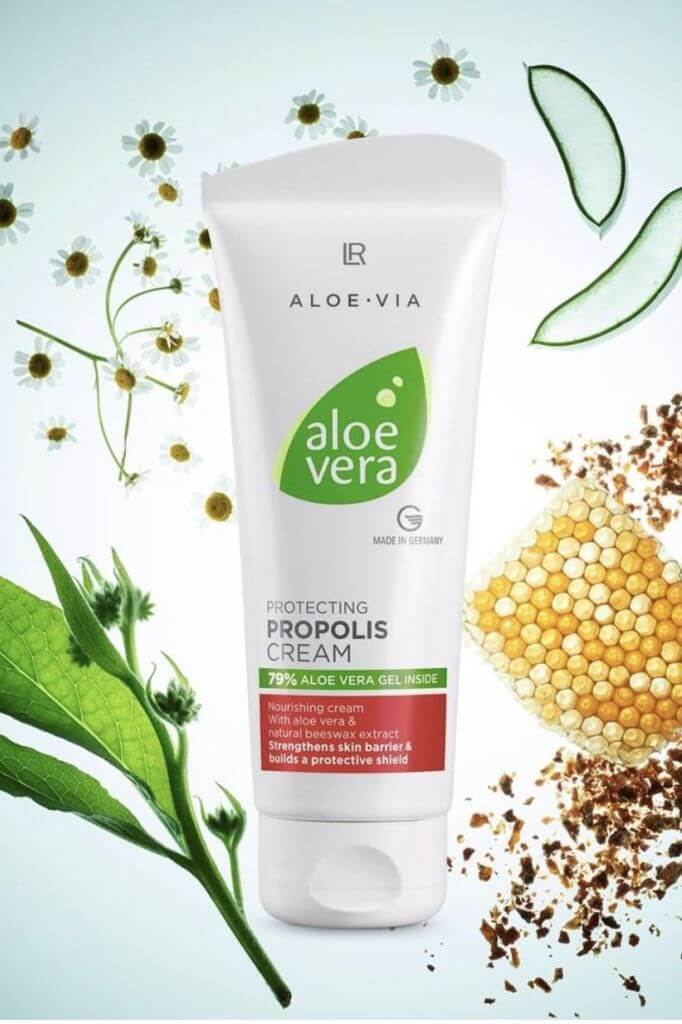 As individuals become more health-conscious and seek out natural remedies, the demand for alternatives to traditional toothpaste is rising. Many commercial toothpastes contain synthetic ingredients that may not appeal to everyone, particularly those who prefer holistic solutions. Aloe vera, with its rich nutritional profile and antimicrobial properties, presents an intriguing option worth considering. This article will guide you through the current understanding of aloe vera's role in oral care, helping you make an informed decision about whether it can replace your regular toothpaste.
 Furthermore, the antioxidants present in aloe vera help combat oxidative stress in the skin, which can exacerbate rosacea symptoms. For more details, best skin care products for rosacea, which may be helpful. By neutralizing free radicals, aloe vera aids in maintaining overall skin health, providing a protective barrier against environmental aggressors. These multifaceted benefits make aloe vera a compelling option for those seeking a natural approach to rosacea relief.
Aloe vera is not just a pretty plant; it contains over 75 active components that contribute to its healing properties. For more details, best skin care products for rosacea, which may be helpful. Among these are vitamins, enzymes, amino acids, and polysaccharides, which work synergistically to promote skin health. Research has shown that aloe vera possesses anti-inflammatory and antibacterial properties, making it an excellent candidate for treating skin conditions like rosacea. Users often report a reduction in redness and irritation after applying aloe vera products, highlighting its potential as a natural remedy.
Understanding Aloe Vera and Its Nutritional Profile
Aloe Vera is a succulent plant that has been used for centuries for its medicinal properties. Its leaves contain a gel-like substance rich in vitamins, minerals, enzymes, and amino acids. Among these nutrients, vitamins A, C, and E are known for their antioxidant properties, which help in reducing inflammation within the digestive tract. Additionally, Aloe Vera contains essential enzymes like amylase and lipase that aid in the breakdown of carbohydrates and fats, respectively, making it an excellent digestive aid.
In the context of using aloe vera as a toothpaste alternative, its nutritional profile suggests that it could offer multiple benefits. Its combination of vitamins, minerals, and polysaccharides could help support gum health and enhance overall oral hygiene. However, it is essential to consider how these benefits translate into practical application and effectiveness compared to traditional toothpaste.
The Nutritional Profile of Aloe Vera
One of the standout features of aloe vera is its impressive nutritional profile. For more details, best skin care products for rosacea, which may be helpful. It contains vitamins such as A, C, and E, as well as B vitamins that are crucial for maintaining good health. These vitamins play a vital role in promoting overall wellness, including oral health. For instance, vitamin C is essential for collagen production, which is necessary for maintaining healthy gums and oral tissues. Aloe vera also contains minerals like calcium, magnesium, and potassium, contributing to bone health, including that of the jaw and teeth.
Research has shown that aloe vera possesses antimicrobial properties that can help combat harmful bacteria in the mouth. By inhibiting the growth of bacteria associated with gum disease and dental plaque, aloe vera may contribute to better oral hygiene. Additionally, its anti-inflammatory characteristics can soothe irritated gums and promote healing. Many people looking for a natural way to maintain their oral health find these properties appealing, as they align with the trend towards avoiding harsh chemicals found in conventional toothpaste.
Additionally, Aloe Vera has been shown to aid in the treatment of constipation. For more details, best skin care products for rosacea, which may be helpful. The plant contains anthraquinones, which are compounds that have a natural laxative effect. These compounds stimulate the intestines, promoting regular bowel movements. Nutritionists recommend incorporating Aloe Vera into your diet for those struggling with occasional constipation, as it provides a gentle and effective solution without harsh side effects.
As individuals become more health-conscious and seek out natural remedies, the demand for alternatives to traditional toothpaste is rising. Many commercial toothpastes contain synthetic ingredients that may not appeal to everyone, particularly those who prefer holistic solutions. Aloe vera, with its rich nutritional profile and antimicrobial properties, presents an intriguing option worth considering. This article will guide you through the current understanding of aloe vera's role in oral care, helping you make an informed decision about whether it can replace your regular toothpaste.Furthermore, the antioxidants present in aloe vera help combat oxidative stress in the skin, which can exacerbate rosacea symptoms. For more details, best skin care products for rosacea, which may be helpful. By neutralizing free radicals, aloe vera aids in maintaining overall skin health, providing a protective barrier against environmental aggressors. These multifaceted benefits make aloe vera a compelling option for those seeking a natural approach to rosacea relief.댓글목록
등록된 댓글이 없습니다.


